The play
ASTM F963 is the consumer safety specification for toy safety that most toys sold in the United States are tested against, and CPSC has incorporated it as the mandatory federal toy standard. It is a living document maintained by ASTM International's toy safety subcommittee and periodically revised; the version described here reflects the standard's own published table of contents and scope as retrieved on 16 September 2026. A caregiver never reads F963 directly, but it sits behind the third-party test certificate that a compliant toy is supposed to have.
What the evidence says
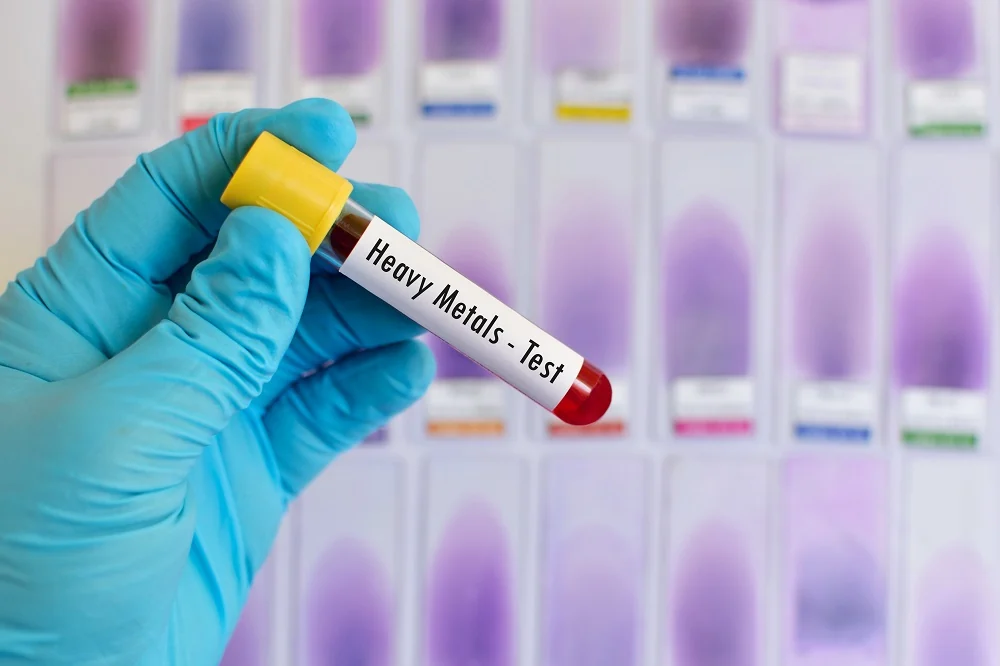
The standard's own scope section states that it covers requirements and test methods for toys intended for use by children under 14, and that it addresses hazards that might not be obvious to the public, not overall product performance or quality. Its published outline shows heavy-metal and chemical testing as one numbered piece among many: material quality section 4.2 covers toxicology, test-methods section 8.1 covers testing for hazardous substance content, section 8.2 specifically covers test methods for determining heavy-element content in toys and components, and Annex A6 sets out a compositing procedure for total heavy-metal analysis. Separately, CPSC's own toy safety FAQ states the federal limits that sit alongside F963 testing: toy surface coatings must not exceed 90 parts per million (0.009 percent) lead, accessible components must not exceed 100 ppm (0.01 percent) total lead content, and accessible components must not exceed 1,000 ppm (0.1 percent) of any regulated phthalate. CPSC's FAQ also notes plainly that different sections of the standard apply to different toys, and that there is no one-size-fits-all approach.
Age fit and safety
The 14-and-under age ceiling and the phrase reasonably foreseeable abuse come directly from the standard's own scope language, and CPSC's certification requirement applies to toys for children 12 and under. Passing a heavy-element or phthalate test addresses one hazard category the standard defines; it does not by itself confirm that a given toy also passed the standard's separate flammability, small-parts, or mechanical-hazard sections.
What to look for
This is an editorial reading, not a new rule. A children's product certificate referencing F963 indicates third-party testing occurred, but it is worth remembering that the standard is modular: a chemical pass covers chemical content, not sharp edges or cords. Look for the specific hazard category named on any safety claim, and treat a bare recyclable or eco claim as answering a different question than a chemical-safety one.
- Does the safety claim name a specific hazard category F963 covers, or is it a general safe assurance?
- Is the lead or phthalate figure stated in a checkable unit, such as parts per million?
- Am I assuming a chemical test result also covers mechanical or flammability hazards it does not test?
F963's own structure is the clearest evidence that toy safety is assembled from many separate, specific tests, and a heavy-metal result answers only the question it was designed to answer.
Sources & reading trail
ASTM's own page gives the standard's scope (toys for children under 14, hazards not obvious to the public) and its table of contents showing where heavy-element and chemical test methods sit within the broader standard.
Source published: Not established · Retrieved: 16 September 2026
CPSC's own FAQ states the federal lead-in-paint, total-lead, and phthalate concentration limits in parts per million and confirms that different sections of the toy standard apply to different toys.
Source published: Not established · Retrieved: 16 September 2026
Standards, recall notices, studies and records establish the entry; the what-to-look-for reading is Toy Almanac editorial analysis. This retrospective draft does not imply the site published on the event date.