Age guides · 3 min read
Play at 12–18 Months: Follow the Action
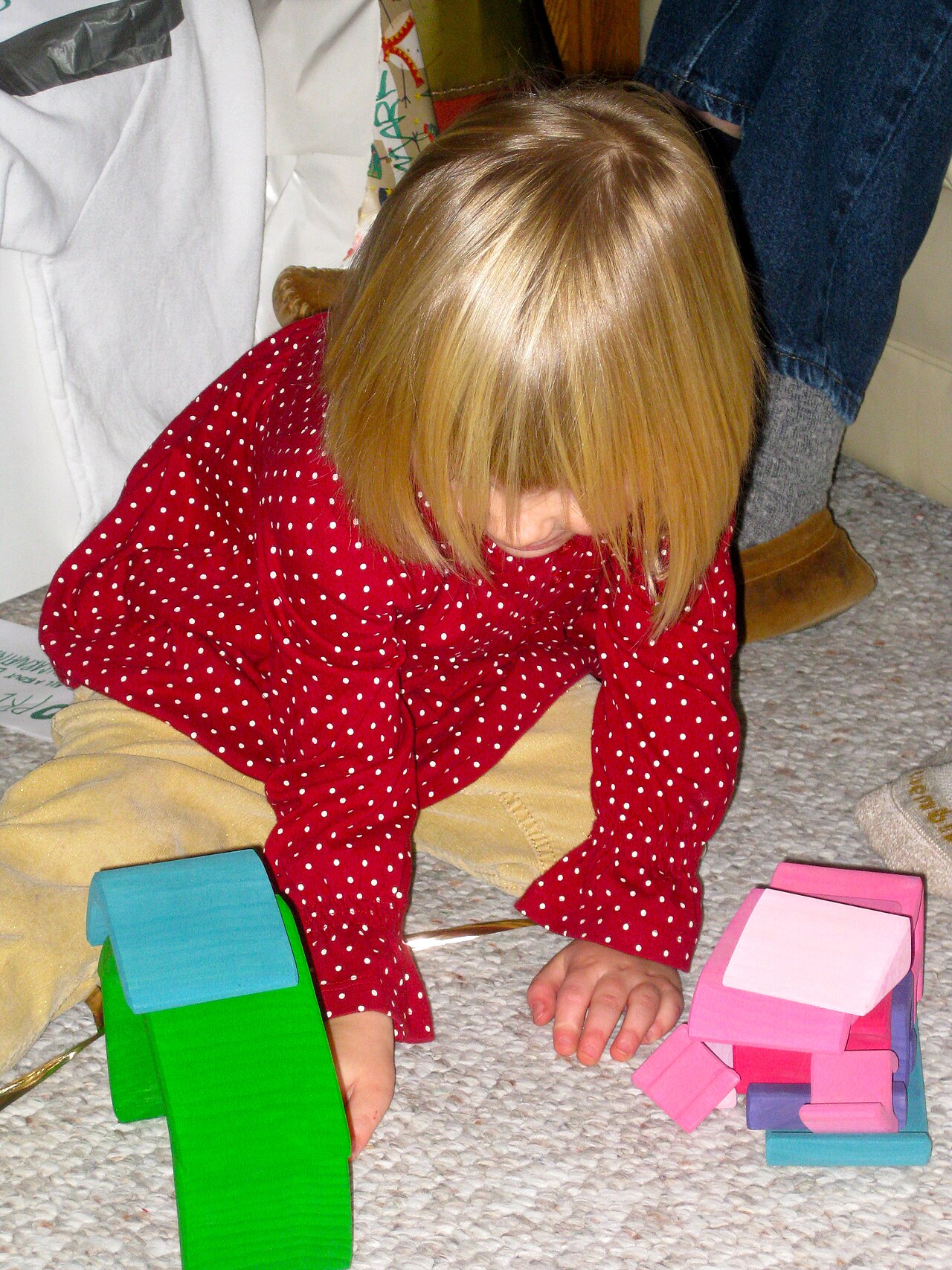
Simple materials, plenty of repetition, and a nearby adult are enough for a rich toddler play space.
12–18 monthsThe reading shelf
32 complete guides for the questions that come up between the toy aisle and the living-room floor.
32 guides
Age guides · 3 min read
Simple materials, plenty of repetition, and a nearby adult are enough for a rich toddler play space.
12–18 monthsAge guides · 3 min read
A toddler who wants to do it themselves can use everyday play to practice movement, language, and simple routines.
18–24 monthsAge guides · 3 min read
Toddlers can combine movement, stories, construction, and early turn-taking without needing a scripted activity.
24–36 monthsEvidence · 3 min read
A smaller visible selection may help some toddlers stay with play longer, but there is no magic number.
12–36 monthsEvidence · 3 min read
Picture books work best as a shared activity, not a performance or a vocabulary test.
12–36 monthsBuying wisely · 2 min read
Material alone does not tell you whether a toy is safe, durable, engaging, or right for your household.
12–36 monthsBuying wisely · 3 min read
Used toys can stretch a budget and extend a useful life when their condition and history are clear enough to assess.
12–36 monthsPlay ideas · 2 min read
Adapt the environment so a child can participate, without turning a toy into a treatment claim.
12–36 monthsPlay ideas · 2 min read
A few safe household-inspired props can become a flexible stage for stories, care, and connection.
18–36 monthsEvidence · 3 min read
Electronic features are not automatically harmful, but they can change the quality of adult–child talk during play.
10–36 monthsEvidence · 2 min read
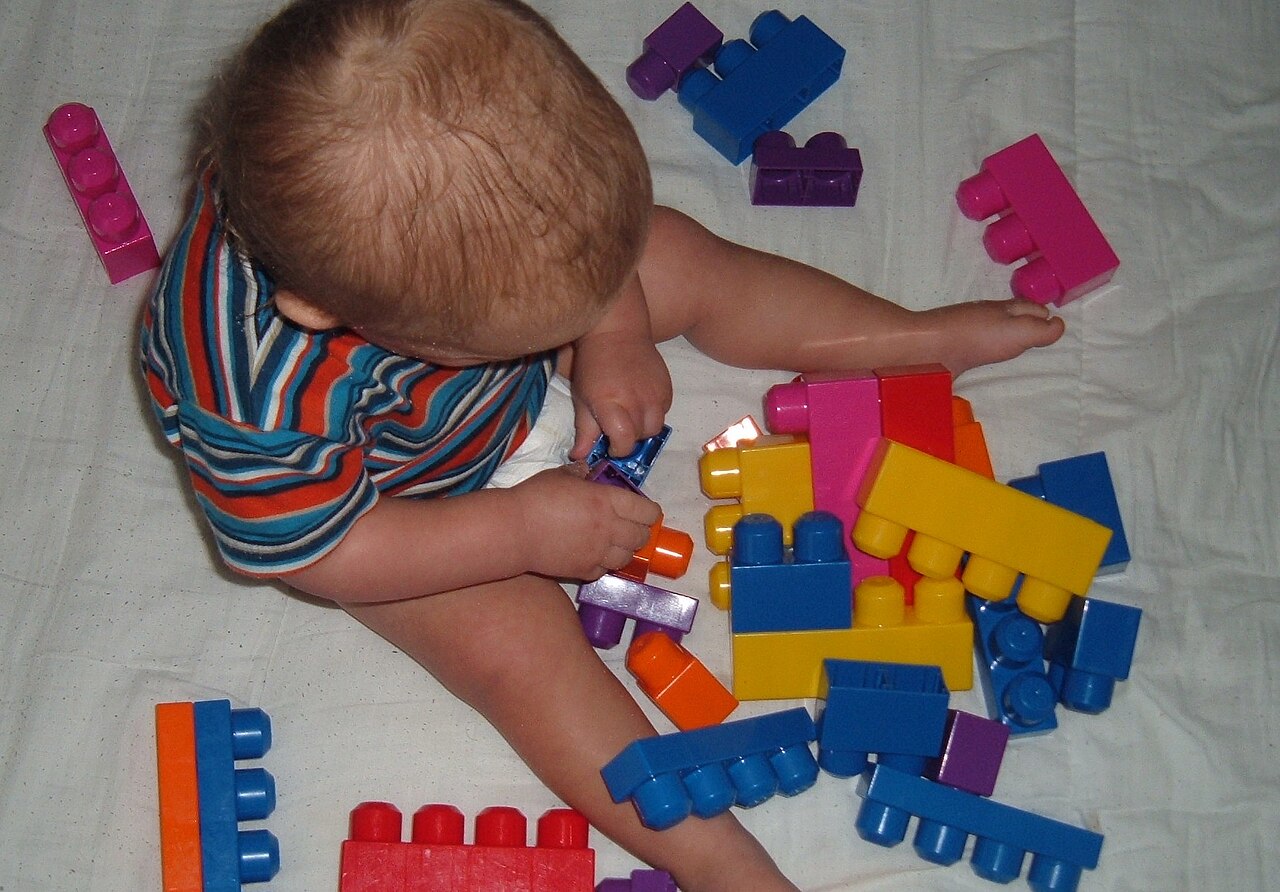
Blocks offer hands-on problems in balance, position, and transformation without promising a future math advantage.
18–36 monthsBuying wisely · 2 min read
Borrowing and swapping can help families try materials without treating a bigger collection as the goal.
12–36 monthsPlay ideas · 3 min read
A small puzzle can be a good shared problem, provided the adult adjusts the task before it becomes a battle.
12–36 monthsPlay ideas · 3 min read
A clear floor and one soft, age-appropriate ball are enough for short, active play without turning the room into a gym.
12–36 monthsPlay ideas · 3 min read
Singing and movement can make a lively little music session without a screen, playlist, or toy that supplies every sound.
12–36 monthsPlay ideas · 3 min read
Putting a few safe, large objects into and out of a container offers a repeatable toddler game without a special ‘learning’ toy.
12–30 monthsPlay ideas · 3 min read
Toddlers can practice being near one another without being required to hand over a prized toy on command.
18–36 monthsPlay ideas · 3 min read
Travel-day play works best when it reduces decisions: a few safe familiar materials, a predictable order, and permission to keep it short.
12–36 monthsPlay ideas · 3 min read
A predictable ending can help a toddler leave a game without making cleanup a test of obedience or helpfulness.
12–36 monthsEvidence · 3 min read
Play can hold the words, songs, and stories a family already uses; a toddler does not need one ‘correct’ language for the game to count.
12–36 monthsPlay ideas · 3 min read
Low-energy play can still include attention and connection; it does not require a cheerful performance or a complicated activity.
12–36 monthsBuying wisely · 3 min read
A toy can be enjoyable and useful without proving the broad educational promise printed on its box.
12–36 monthsSafety · 3 min read
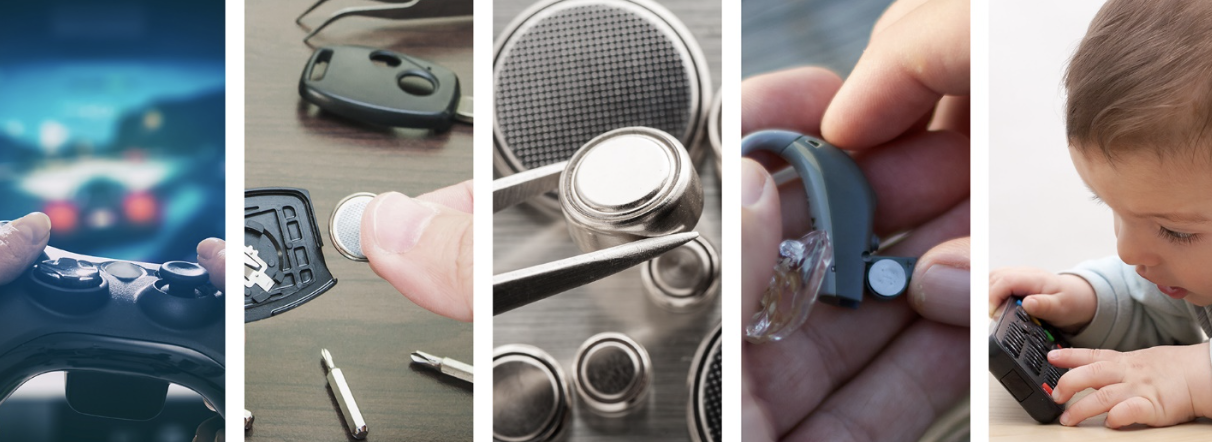
A quick check for secure closures, loose cells, and damaged compartments can make battery-powered play easier to manage.
12–36 monthsSafety · 3 min read
When older children’s magnetic items share space with toddlers, the useful safety step is separation, not a promise that supervision will catch everything.
12–36 monthsSafety · 3 min read
Bath toys can add a small play prompt, but they do not change the need for close, continuous adult attention around water.
12–36 monthsEvidence · 3 min read
Use a toy’s age guidance as a safety and design clue, then watch the child in front of you without turning the box into a scorecard.
12–36 monthsSafety · 3 min read
A five-step comparison of the item in hand and the recall notice is more useful than a quick search for a familiar brand.
12–36 monthsBuying wisely · 3 min read
There is no need to turn a living room into a sound lab; choose volume control, distance, and shorter use over a made-up decibel cutoff.
12–36 monthsBuying wisely · 3 min read
For crayons, paint, clay, and similar supplies, read the conformance statement and cautionary label before choosing a color palette or project.
12–36 monthsSafety · 3 min read
A caregiver can make deliberate setup choices, while the company remains responsible for the privacy duties COPPA places on covered operators.
12–36 monthsBuying wisely · 3 min read
A short note about safety, space, noise, and the child’s current interests gives a generous giver something concrete to work with.
12–36 monthsBuying wisely · 3 min read
A small worksheet helps a family compare a recurring toy plan with its actual cadence, fees, pause rules, and likely use—without relying on promotional prices.
12–36 monthsNo matching guides. Try a broader search or clear the filters.