Toy history / From the almanac001
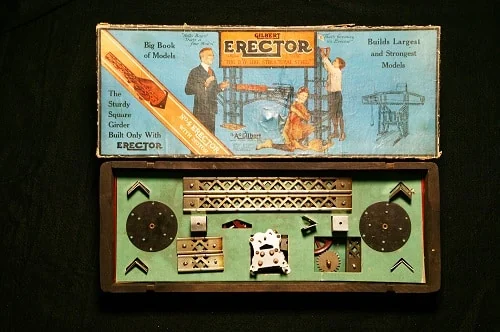
A 1913 ad campaign made Erector Set an engineering toy
A.C. Gilbert's 1913 national ad campaign, the first ever for a toy, launched the Erector Set.
Event: 1 January 1913
3 min readRead entry ↗
Retrospective almanac entries / 100 entries
Safety standards, recalls, play research, toy history and buying evidence, each read for the play it describes, the age fit the source states, and what to look for.
Historical event dates and source dates are separate from the preparation date of this local edition. Every entry is a retrospective draft prepared 16 September 2026; none was published on its historical date.
100 entries
A.C. Gilbert's 1913 national ad campaign, the first ever for a toy, launched the Erector Set.
Museum and manufacturer records date Lincoln Logs to 1924 or 1916, not the 1920 patent often assumed.
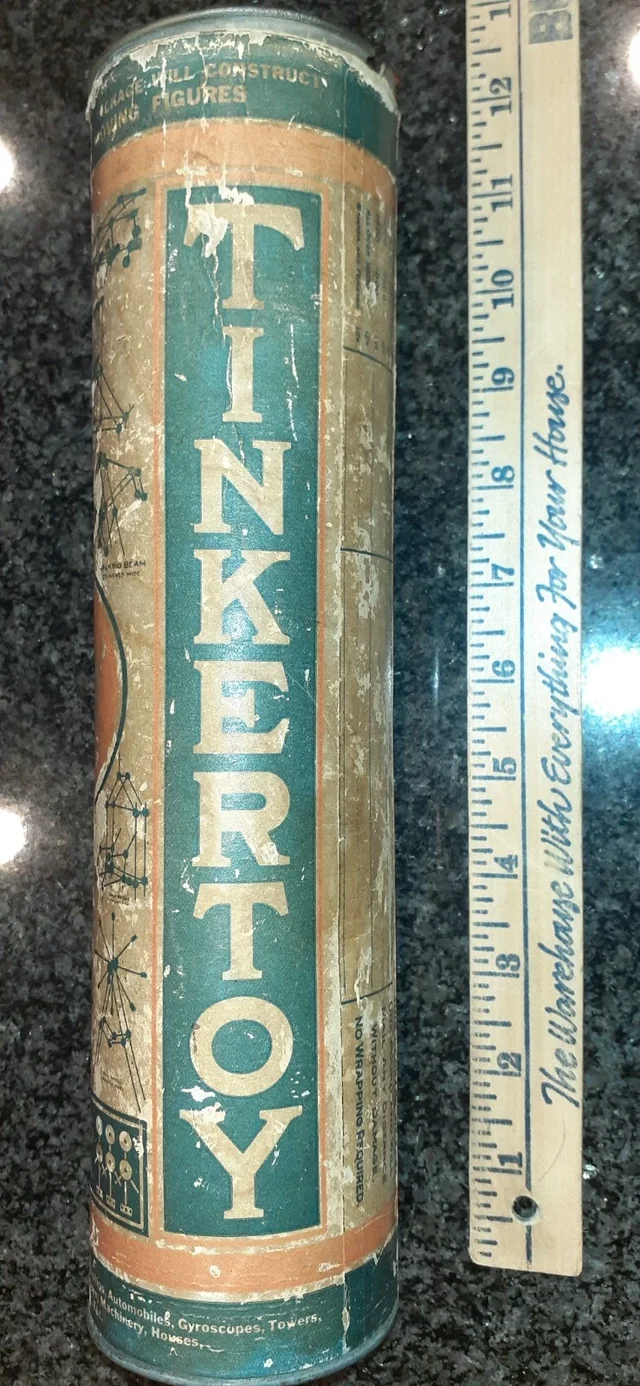
The museum's 80th-anniversary math and the maker's own page date Tinkertoy to 1912 or 1913.
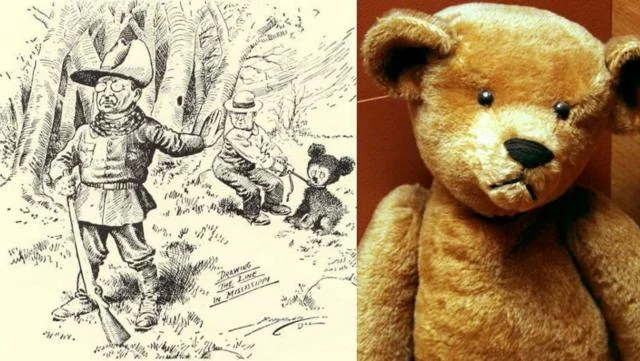
Steiff's own timeline and a museum record agree on 1902 but differ on when the naming took hold.
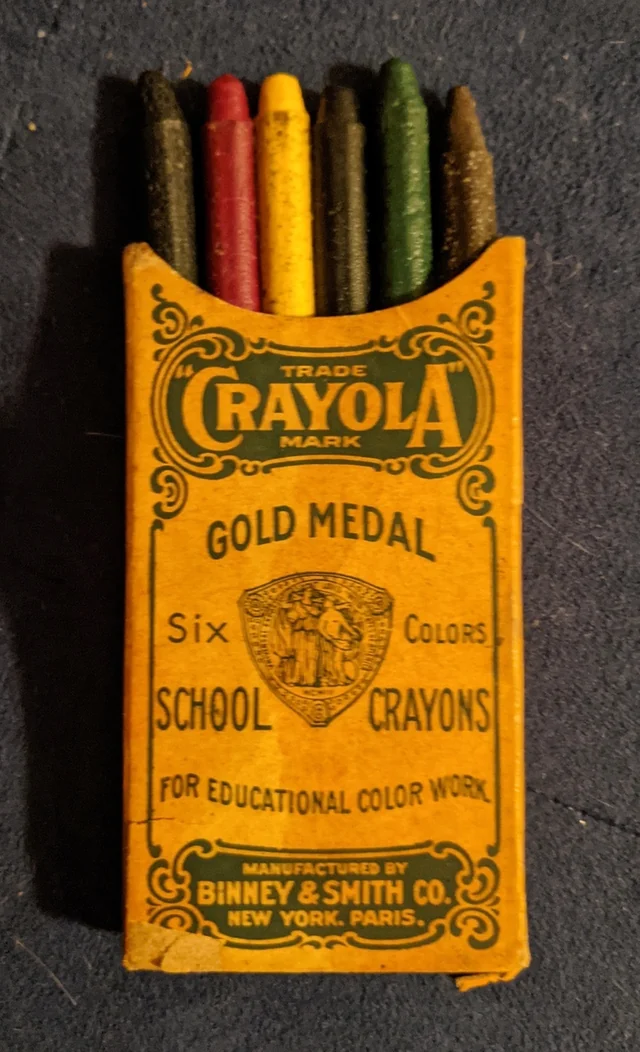
Crayola's own history page and a museum record agree on the June 1903 launch, name, and nickel price.
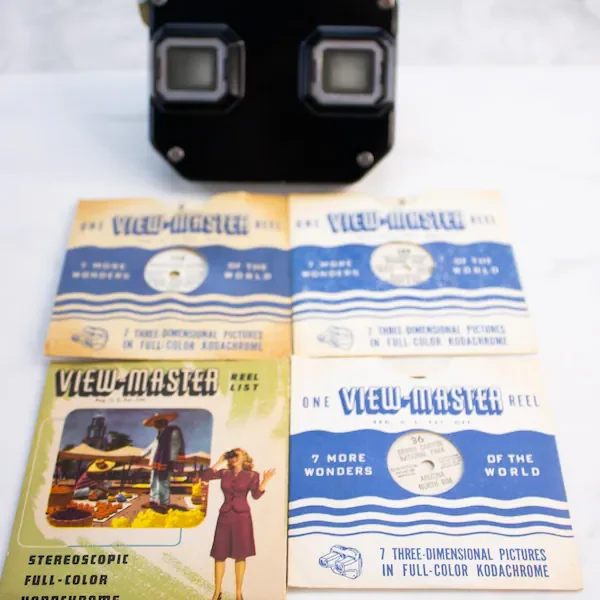
A museum record and the current maker's page agree View-Master reached the public at the 1939 World's Fair.
A museum record and a Smithsonian object entry trace Slinky from a 1943 accident to a 1945 sellout.
A museum record and GE's own history page separate a 1943 lab accident from Silly Putty's 1950 launch.
A museum record and a Smithsonian object credit George Lerner and Hasbro's 1952 acquisition of his design.
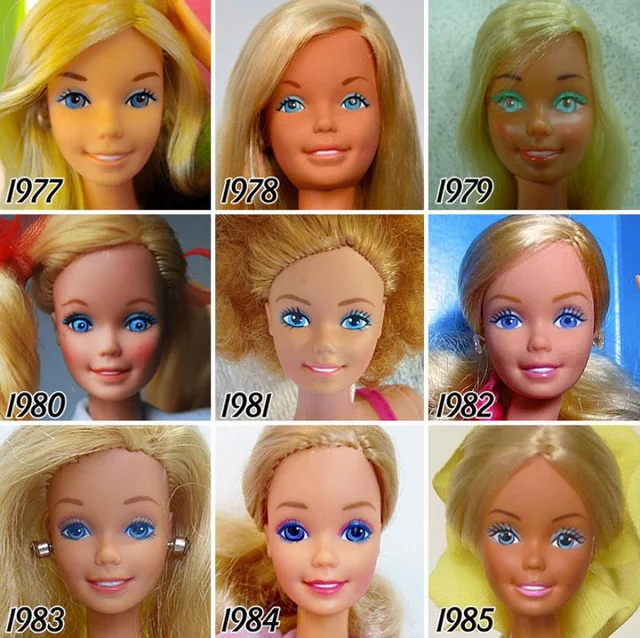
A museum record and a Smithsonian object both credit Ruth Handler with Barbie's 1959 debut.
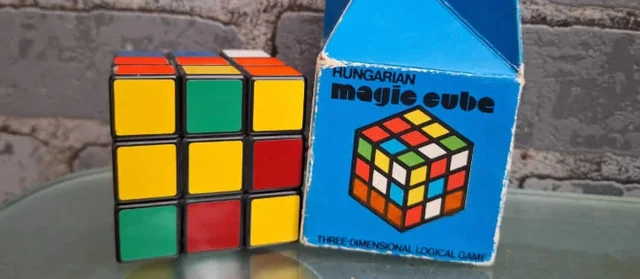
Museum and patent records date Erno Rubik's puzzle to 1974 and its Ideal Toy Corp launch to 1980, without inventing a single unsourced sales figure.
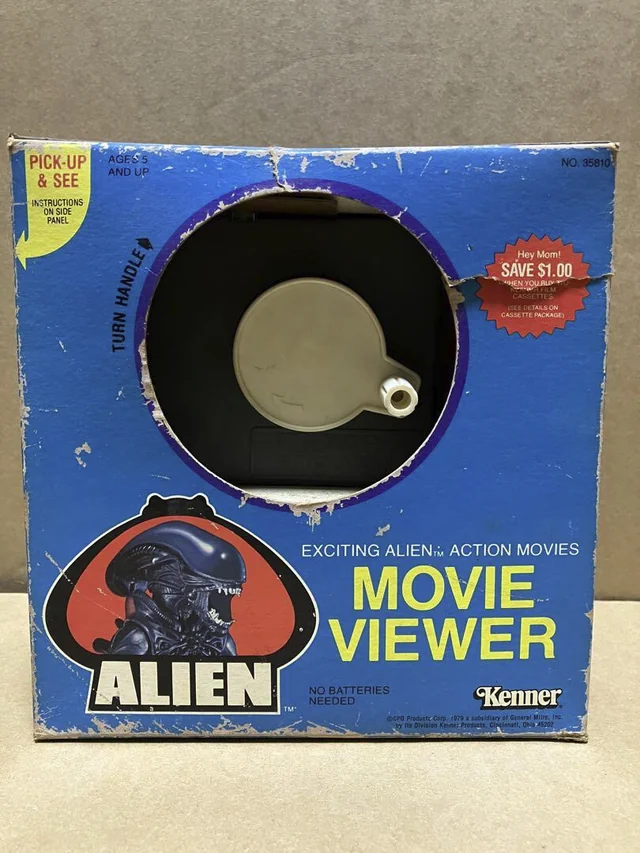
Museum and Smithsonian records date the film to May 1977 and the figures' retail run to 1978, without an unsourced unit count.
Museum and trademark records date the Cabbage Patch Kids name to 1982 and Coleco's mass-market dolls to the 1983 holiday season.
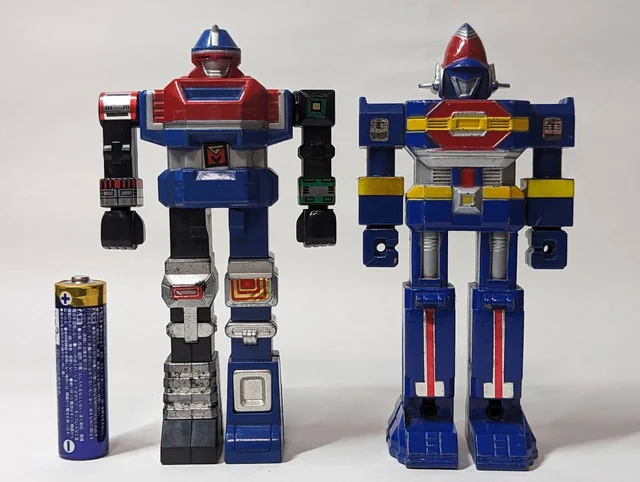
Museum and manufacturer records date Transformers to 1984, built on Takara's earlier Diaclone and Micro Change lines.
A US trademark record dates Beanie Babies to November 1993, more specific than Ty Inc.'s own 1986 founding claim.
The publisher's own history dates the card game to 1996 in Japan and 1999 specifically in North America and Europe.
Ninth Circuit opinions record the court vacating Mattel's trademark and copyright wins over Bratz, not a finding of wrongdoing.
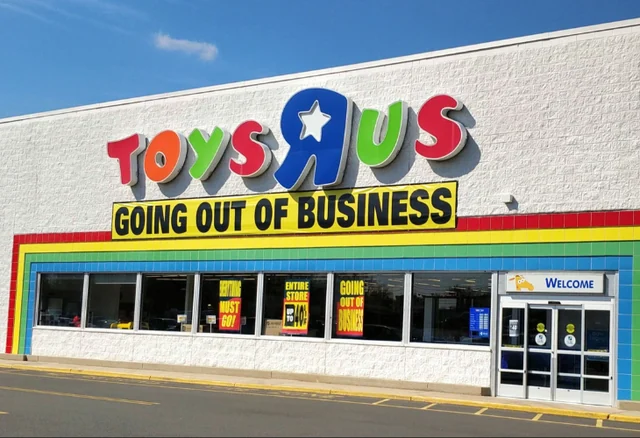
SEC filings date the Chapter 11 petition to 18 September 2017 and a store-closing motion to 14 March 2018.
The museum's own criteria for induction name icon-status, longevity, discovery and innovation, not a child's age.
The company's annual reports show a DKK 1,931 million loss in 2004 and a return to profit in 2005 under new leadership.
The Consumer Product Safety Improvement Act's own text phased in lead and phthalate limits and made ASTM F963 mandatory.
CPSC's own FAQ sets 20 April 2024 as the date ASTM F963-23 became the mandatory US toy specification.
Directive 2009/48/EC's own articles set the safety requirements and conformity steps behind the CE mark on an EU toy.
CEN's own technical-committee scope and two standard-body listings show what each EN 71 part actually covers.
Standard-body records show what ISO 8124's parts cover, and Australia's own adoption shows the series is not automatically mandatory anywhere.
Health Canada's own guidance and the Toys Regulations describe a post-market system, not a pre-sale approval stamp.
The Toys (Safety) Regulations 2011, as amended, now let a UK seller choose between a CE mark and a UKCA mark.
A single Australian notice gives an international standard legal force for lead and other elements in toys, with a numeric limit stated.
CPSC's own guidance lists what a Children's Product Certificate must contain and who is allowed to test for it.
CPSC's own recalls page states a weekly update cycle and a ten-year default window, with older data requiring a separate download.
CPSC's 2025 rule limits water-bead expansion and acrylamide content, effective for toys made after 12 March 2026.
A 2022 law, and CPSC's rule beneath it, require secure battery compartments and warning labels for button and coin batteries.
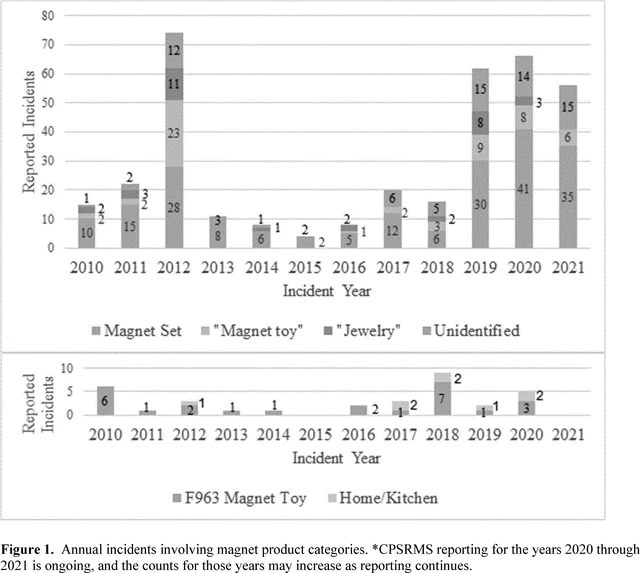
CPSC's 2022 magnet-set rule sets a flux-index limit, six years after a court vacated the agency's first standard.
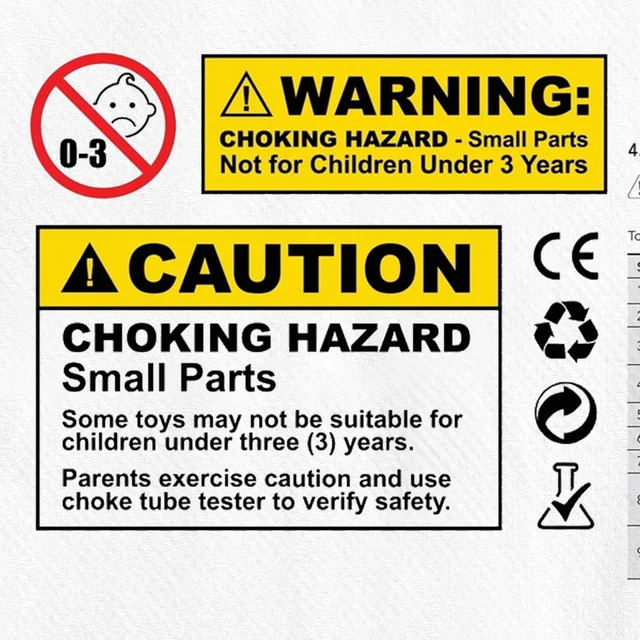
16 CFR 1501 sets the test-cylinder method CPSC uses to judge whether a toy chokes children under three.
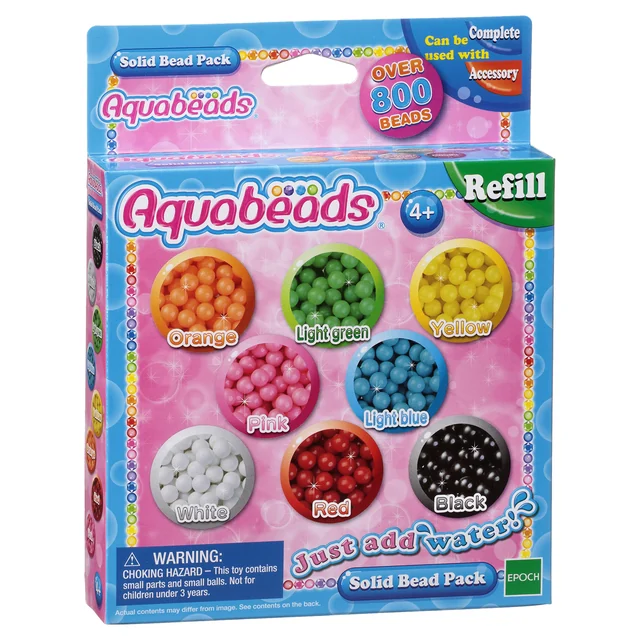
CPSC's 2007 recall notice ties Aqua Dots' bead coating to comas after ingestion of multiple beads.
CPSC's own recall notice states it filed a rare administrative complaint against Buckyballs' maker in July 2012.
RC2's 2007 recall notice names the lead-paint hazard and models behind one of that year's biggest toy recalls.
Tegu's 2025 recall of one Magnetic Floating Stacker model shows why brand reputation is not a model-level check.
CPSC's August 2026 alert names lead, phthalate, water-bead, and burn risks in counterfeit squishy toys.
Regulation (EU) 2023/988 defines Safety Gate as a rapid alert, public portal, and business notice system.
The AAP's clinical report frames toy choice around play-based caregiving, not a digital toy's marketed features.
Sosa's 26-dyad study measured fewer adult words and turns during play with electronic toys than with books or traditional toys.
Dauch et al. found toddlers played longer and more variously with four toys out than with sixteen.
The Child Development meta-analysis found book-sharing training had small effects on child language and a large one on caregivers.
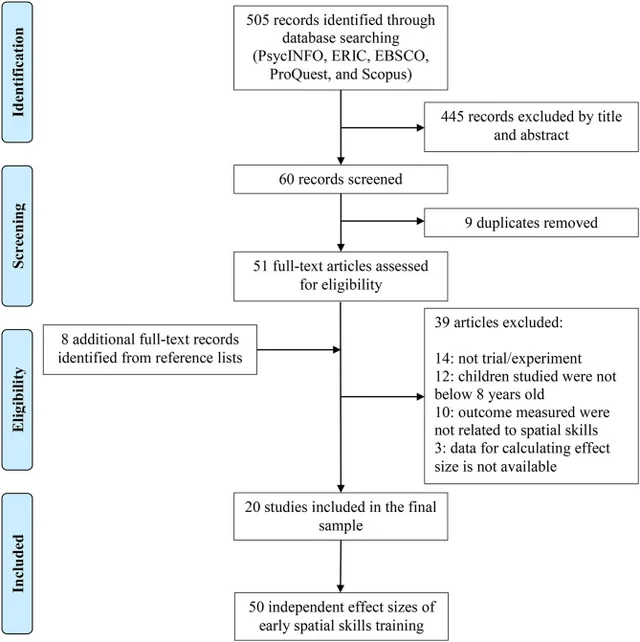
Pooling 20 studies, the review found a large effect from hands-on spatial training in children up to age eight.
The Early Years systematic review found under-fours already show mathematical competencies, but evidence is thin and educator-dependent.
Chloë Marshall's review found benefits track adherence to Montessori's original method more than the Montessori label itself.
Barton et al. examined 27 studies teaching object play to young children with disabilities and found outcomes ahead of methodological quality.
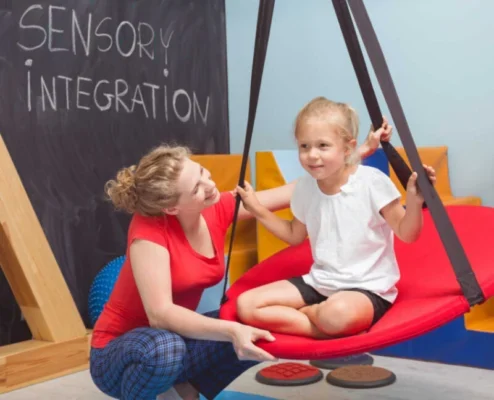
The AJOT review found only five eligible studies, all on autism, behind Ayres Sensory Integration therapy's efficacy claims.
WHO's 2019 guidelines set 24-hour activity, sedentary-time, and sleep targets by age band for children under five.
16 CFR 1500.19 and ASTM F963 set the label wording and the age-grading logic behind it, not just a general age number.
Directive 2009/48/EC's Annex V fixes the wording and pictogram for age warnings, separate from what CE marking itself certifies.
CDC and AAP's 2022 revision replaced 41 percent of milestone items and shifted most retained ones to older ages.
NAEYC's fourth Developmentally Appropriate Practice statement treats age as one of three considerations, alongside individuality and context.
Zero to Three's caregiver resources sort guidance by age band for children under three, framed as educational rather than clinical.
WHO's Multicentre Growth Reference Study found first-to-last achievement windows spanning up to ten months per milestone.
Lovevery ships Play Kits on a stage-based schedule and cites named advisers, distinct from an independently published study of its kits.
NHS accessible-toy guidance recommends matching toys to ability, mouthing behavior, and battery safety, alongside professional advice.
AAP's policy statement identifies children three and younger as most at risk, naming toy and food shape as key hazard factors.
The FTC's own guidance explains why an unqualified eco-friendly label needs supporting language to avoid being deceptive.
A peer-reviewed life-cycle study found lower impacts for locally made Channapatna wood toys than PVC toys in that specific comparison.
The toy safety standard's own outline shows chemical and heavy-element testing as one specific section, not proof of overall safety.
The EU chemicals regulation restricts hazardous substances broadly, while a separate directive sets toy-specific chemical requirements.
CPSC's final rule set a permanent 0.1 percent limit on five phthalates, distinct from the 2008 law's earlier interim list.
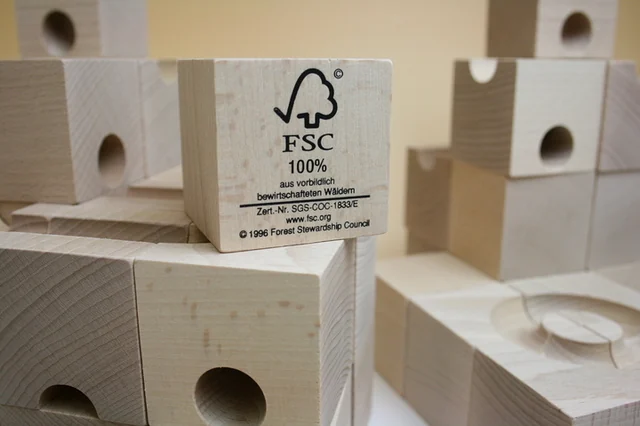
FSC's own chain-of-custody scope covers forest-to-product tracking and labor standards, not chemical or mechanical safety testing.
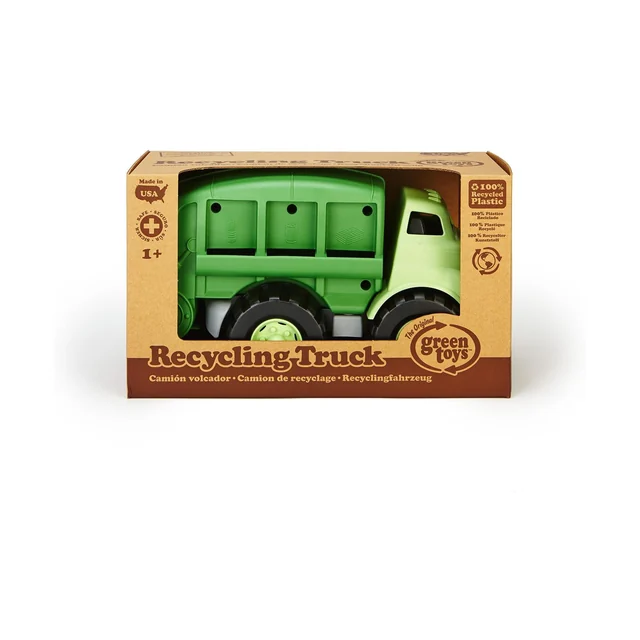
The company's own site details post-consumer milk-jug plastic and a shifting manufacturing footprint, without naming a safety standard.
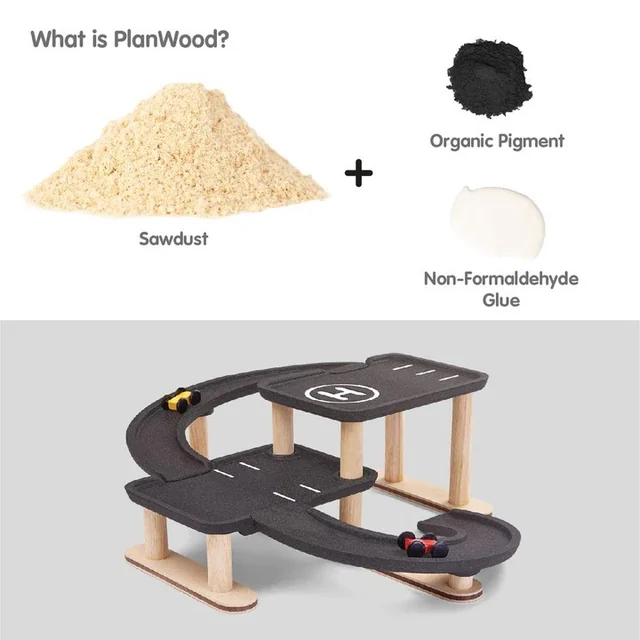
The maker's own sustainability pages detail reclaimed rubberwood and formaldehyde-free glue, without a linked third-party test.
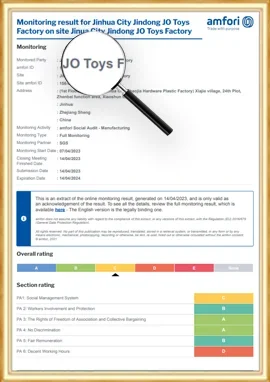
The program formerly called ICTI CARE audits workplace ethics and safety, and its own scope excludes product material testing.
FDA's own framework defines food contact substances and a rubber-articles rule, but never uses the term food-grade itself.
The FTC's consumer alert lists what to ask about a smart toy's camera, microphone, data storage, and deletion rights before buying it.
The FTC's amended COPPA Rule added persistent identifiers, geolocation, and a child's photo or voice as protected data from July 2013.
The ICO's statutory code sets out what a connected toy should disclose about data use, listening mode, and switching connectivity off.
The FTC's complaint and order describe a Kid Connect data breach and the safeguards VTech agreed to put in place.
A security researcher's contemporaneous write-up describes how an unsecured CloudPets database exposed accounts and recordings.
An independent security audit commissioned by Mozilla tested ten popular connected toys and found voice and storage vulnerabilities.
Common Sense Media's testing of three AI companion toys found 27 percent of sampled outputs were not appropriate for kids.
The AAP's Council on Communications and Media reviewed the evidence on television, video, and mobile media use in early childhood.
The Bundesnetzagentur's 2017 statement classed the connected Cayla doll as an illegal transmitting device under German law.
Yoto's own pages describe the Mini's offline playback, data practices, and support horizon, without citing an independent audit.
Wirecutter's own pages describe editorial testing and disclosure, not a government safety certification.
The Good Play Guide's own testing page sets a fifteen-point pass threshold across three criteria.
US PIRG's 2022 Trouble in Toyland report bought recalled toys online to test how easy they were to find.
Consumer Reports' own pages describe nonprofit independence, while detailed toy ratings require membership.
Lovevery and KiwiCo publish their own cadence and pricing for stage-based subscription play kits.
USATLA's own pages describe a lending model and member services, without naming a single founding date.
FairPlay's own pages describe a trained-team model for adapted toys, not a simple do-it-yourself fix.
Parents' Choice Foundation's own archived pages describe a competitive judging process and a seal-use fee.
The FTC's pricing guide requires a former price to have been genuinely charged before a discount claim.
CPSC's resale guidance recommends a recall-database check before buying, donating, or reselling a toy.
The publisher's own ASQ-3 materials define a screening tool with set age bands and a required next step, not a diagnosis.
Association Montessori Internationale's own pages describe practical-life and sensorial materials tied to developmental planes rather than fixed ages.
The Waldorf schools association's own pages describe imaginative, natural-material play as the early-childhood method, distinct from Montessori's.
The AAP's Bright Futures periodicity schedule lists developmental screening and surveillance as distinct, recurring checkpoints in well-child care.
Head Start's Early Learning Outcomes Framework lists five domains from birth to five and explicitly disclaims being a checklist or assessment.
The LEGO Foundation's own site names its funded research and children's age focus, a company-affiliated program worth reading as such.
IPA's current declaration text frames play as a right tied to the UN Convention's Article 31, an advocacy statement rather than binding law.
NAEYC's own play resource hub, distinct from its 2020 practice statement, features peer-reviewed journal discussion rather than a single ruling.
The Heckman Equation attributes its 13% early-childhood return figure to the ABC/CARE study of disadvantaged children, not to toys generally.
The developing-child center's own explainer describes brain-building interactions as a research synthesis, without naming any specific product.
16 CFR Part 1501's small-parts cylinder test is the physical method behind under-3 choking-hazard age grading in the US.
Try another category or clear your search.