The play
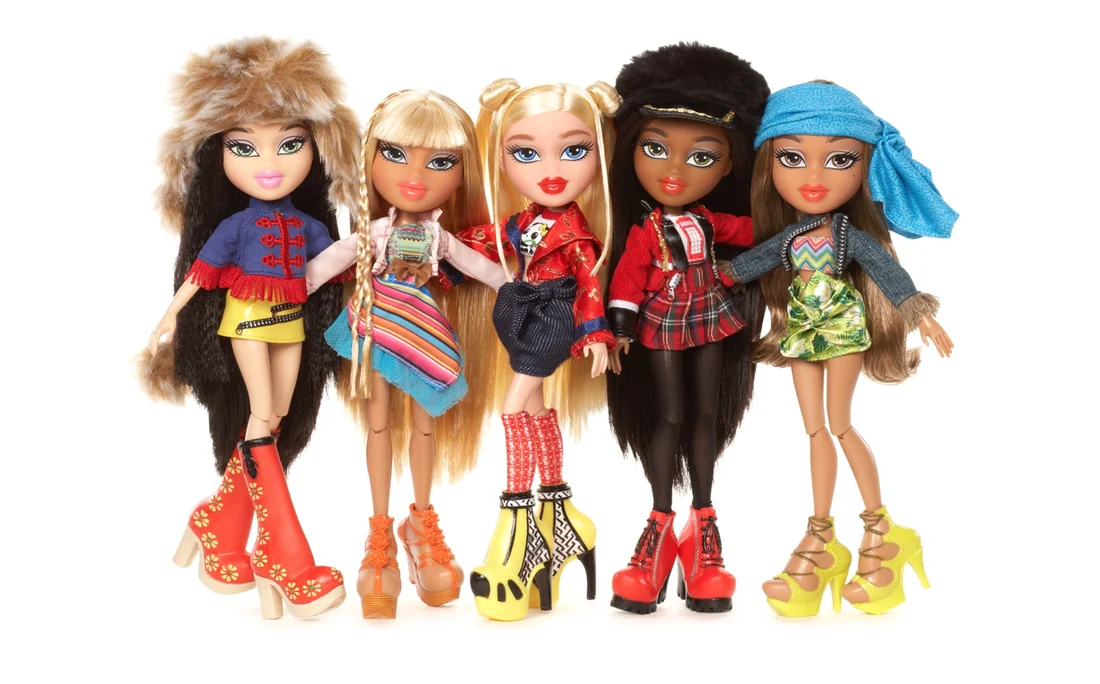
The subject here is not a toy but a legal dispute over one: whether Mattel or MGA Entertainment owned the rights to the Bratz fashion-doll design, first sketched by Mattel employee Carter Bryant before he began working with MGA. A Ninth Circuit opinion in Mattel, Inc. v. MGA Entertainment, Inc., filed 22 July 2010 and authored by Chief Judge Alex Kozinski, records that Bryant pitched his Bratz concept to MGA in August 2000 while still a Mattel employee, and that a jury later found Bryant conceived the Bratz and Jade names and made preliminary sketches and a sculpt during that employment.
What the evidence says
The 2010 opinion states that a district court had imposed a constructive trust transferring the entire Bratz trademark portfolio to Mattel and had enjoined MGA from making most Bratz dolls, and that the Ninth Circuit vacated both remedies, holding that Bryant's employment agreement may not have assigned his naming ideas to Mattel at all and that, even if it had, transferring the whole trademark portfolio was an abuse of discretion. A later Ninth Circuit opinion in Mattel, Inc. v. MGA Entertainment, Inc., decided 24 January 2013 after a retrial, records that the second jury rejected Mattel's copyright-infringement claim entirely and instead found Mattel had misappropriated MGA's trade secrets, before the appeals court vacated that trade-secret verdict on a procedural ground while affirming an award of attorneys' fees to MGA as the prevailing party on the copyright claim.
Age fit and safety
Neither opinion addresses a child's age, developmental fit or a product hazard; both are exclusively about ownership, damages and procedure. This section carries no citation-based age or safety content for that reason, which is itself a finding about what these particular sources establish and do not.
What to look for
This is editorial: the court record shows a dispute that reversed course twice, largely in Mattel's favor at trial and then substantially against that outcome on appeal, so a single news account from any one point in the litigation, taken alone, is likely to misstate where the case ultimately landed. Readers encountering claims about which company 'won' the Bratz case should check which of the two opinions, 2010 or 2013, and which specific claim, copyright, trademark or trade secret, a given account is describing.
- Does a summary of the case specify which year's ruling and which specific claim it describes?
- Does it distinguish a jury's trial verdict from what the Ninth Circuit later vacated or affirmed?
- Does it describe a finding of ownership or infringement, rather than an assertion of wrongdoing the courts did not make?
What the opinions themselves support is a procedural and ownership history, not a verdict that either company acted wrongly beyond the specific, narrow findings a jury and the Ninth Circuit reached and then partly unwound on appeal.
Sources & reading trail
Ninth Circuit opinion vacating the constructive trust and copyright injunction, and recounting the Bryant-MGA-Mattel timeline.
Source published: 22 July 2010 · Retrieved: 16 September 2026
Ninth Circuit opinion after retrial vacating MGA's trade-secret verdict while affirming MGA's attorneys'-fee award.
Source published: 24 January 2013 · Retrieved: 16 September 2026
Standards, recall notices, studies and records establish the entry; the what-to-look-for reading is Toy Almanac editorial analysis. This retrospective draft does not imply the site published on the event date.