The play
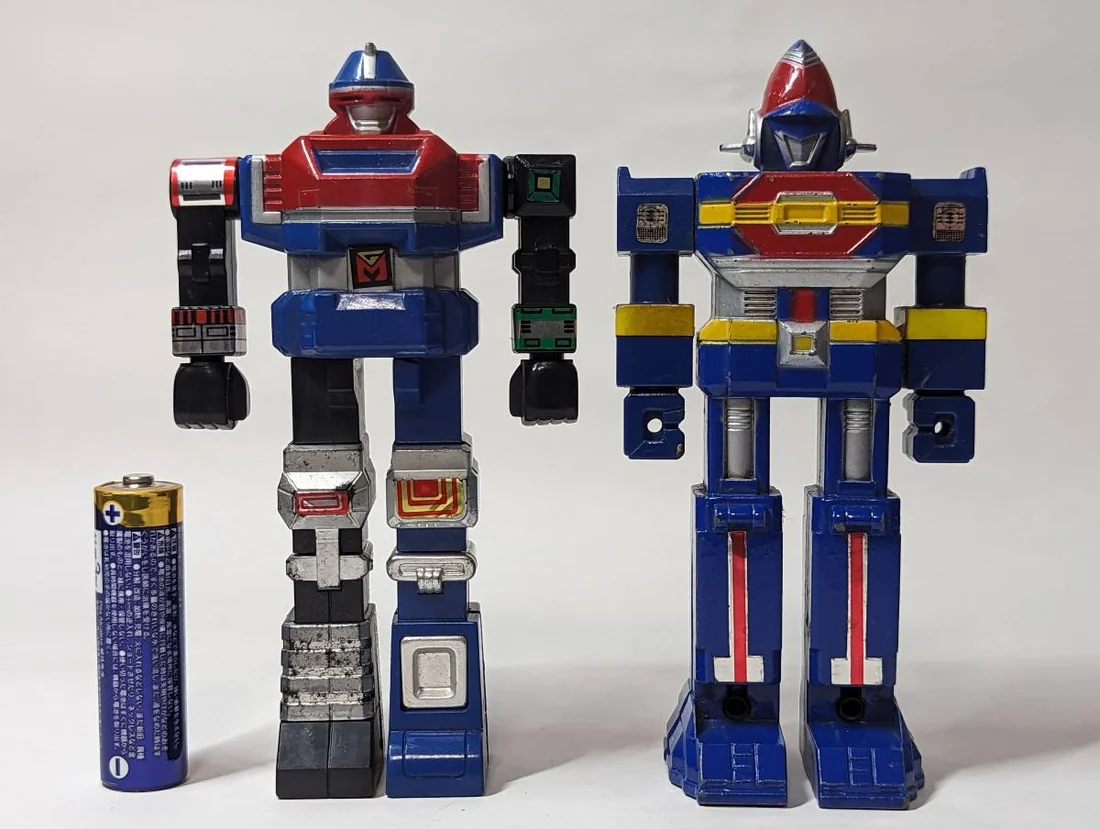
The toy is a die-cast or plastic robot figure that reconfigures by hand into a vehicle, animal or other object, sold with a printed Tech Spec card describing its character's abilities. The Strong National Museum of Play's own account, as retrieved 16 September 2026, states that in the early 1980s Hasbro secured rights to Japanese toymaker Takara's Diaclone and Micro Change lines of shape-changing robot toys, developed them for a US audience, and premiered Transformers in 1984 with a Marvel Comics-written backstory splitting the cast into heroic Autobots and villainous Decepticons.
What the evidence says
Takara Tomy's own corporate history page, a living document as retrieved 16 September 2026, lists Transformers among its named product milestones under the year 1984, corroborating the museum's date from the manufacturer's own side of the licensing arrangement, and separately notes a business alliance between its predecessor companies and Hasbro. Neither document names individual designers, and the museum's account credits Hasbro specifically with developing the toys and the added fiction for the US audience, distinguishing that adaptation from Takara's original hardware.
Age fit and safety
Neither source sets an age recommendation or documents a hazard finding. The museum's description centers on the toy's transforming mechanism and its tie-in comics, television and packaged goods, not a stated developmental target; a figure with articulating joints and small accessory weapons carries the kind of small-parts considerations that later toy-safety standards address in general, but that determination is not made in either source cited here.
What to look for
This is editorial: because both the museum and the manufacturer date the same 1984 launch, a buyer can treat that year as a reliable anchor for identifying an original-run figure against one of the many later incarnations the museum's own account says followed. Because the toy's core appeal, per the museum, is the transformation mechanism itself rather than any tie-in cartoon or film, checking that a figure's joints move as designed before purchase is a reasonable extension of what the sources describe, though the sources themselves make no purchase recommendation.
- Does the year printed or stamped on a figure match the manufacturer's own 1984 launch date, or a later reissue?
- Is the appeal the transforming mechanism, the character fiction, or the accessories that come with it?
- For a young child, do the figure's joints and small parts match what the household considers appropriate?
Both records agree on the same fact from opposite sides of the licensing table: a 1984 launch built on Takara's earlier Diaclone and Micro Change hardware and reworked by Hasbro for a new market, a narrower and better-anchored claim than crediting any single company or person with inventing the transforming toy outright.
Sources & reading trail
Museum's own account of Hasbro licensing Takara's Diaclone and Micro Change lines and premiering Transformers in 1984.
Source published: 18 September 2024 · Retrieved: 16 September 2026
Takara Tomy's own timeline listing Transformers as a 1984 product milestone and noting a Hasbro business alliance.
Source published: Not established · Retrieved: 16 September 2026
Standards, recall notices, studies and records establish the entry; the what-to-look-for reading is Toy Almanac editorial analysis. This retrospective draft does not imply the site published on the event date.