The play
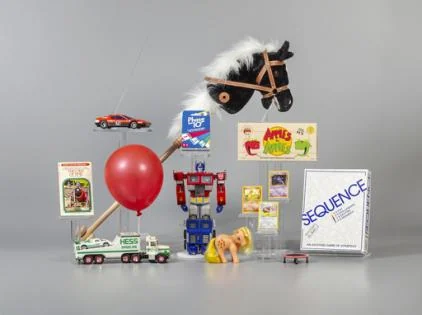
The subject is not a toy but a process: an annual induction into the National Toy Hall of Fame, housed at The Strong museum in Rochester, New York. The museum's own exhibit page, retrieved 16 September 2026, states that the Hall was established in 1998 and 'recognizes toys that have inspired creative play and enjoyed popularity over a sustained period,' typically inducting three toys a year, with a fourth added in 2023 to mark the Hall's twenty-fifth anniversary.
What the evidence says
A companion FAQ page published by the museum, also retrieved 16 September 2026, states the induction criteria in full: icon-status, meaning the toy is widely recognized and remembered; longevity, meaning it has been popular across multiple generations rather than as a passing fad; discovery, meaning it fosters learning, creativity or discovery through play; and innovation, meaning it profoundly changed play or toy design, on which a toy may be inducted without meeting the first three. The same page states that an internal museum committee selects twelve finalists each September, and that inductees are then chosen with the help of a National Selection Advisory Committee of about two dozen people, alongside a public Player's Choice vote counted collectively as a single ballot.
Age fit and safety
None of the four stated criteria references a child's age, developmental stage or a safety finding; the museum's own framework is about a toy's cultural and design significance, not a clinical or regulatory judgment. A caregiver should not read induction itself as an age recommendation or a safety endorsement, since the FAQ page does not describe the process as evaluating either.
What to look for
This is editorial: because longevity and icon-status are about sustained popularity rather than developmental value, a newly inducted toy is being recognized for its cultural footprint, not certified by the museum as beneficial for a particular age or stage, and a caregiver should keep those two judgments separate. Because the FAQ describes a mixed process, an internal curatorial shortlist, an outside advisory committee's ranked ballots, and a public vote counted as one ballot, an inductee reflects that specific blended process rather than a single popularity contest or a single expert panel's verdict.
- Is a claim about a toy's induction citing the museum's own four criteria, or assuming popularity alone decided it?
- Does treating an inducted toy as safe or developmentally beneficial go beyond what the induction itself certifies?
- For a toy under consideration, does the household care more about its icon-status or its capacity for open-ended discovery?
What the museum's own pages establish is a named, four-part standard, applied through a specific committee-and-public process since 1998, and nothing in that standard reaches the separate questions of age fit or safety a caregiver still has to answer another way.
Sources & reading trail
Museum's own statement that the Hall was established in 1998 and its description of the annual induction and 2023 anniversary exception.
Source published: Not established · Retrieved: 16 September 2026
Museum's own statement of the four induction criteria and the finalist/advisory-committee/public-vote selection process.
Source published: Not established · Retrieved: 16 September 2026
Standards, recall notices, studies and records establish the entry; the what-to-look-for reading is Toy Almanac editorial analysis. This retrospective draft does not imply the site published on the event date.