The play
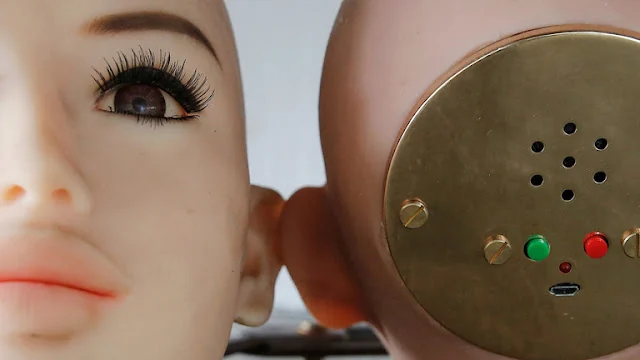
My Friend Cayla was an internet-connected talking doll that used a Bluetooth-paired smartphone app and internet-based speech recognition to hold simple conversations with a child. On 17 February 2017 Germany's federal network regulator, the Bundesnetzagentur, announced that it had classified Cayla as an illegal transmitting device and had already worked with retailers to pull early examples from the German market.
What the evidence says
The regulator's own statement, archived after the live page was retired, quotes its then-president, Jochen Homann, saying that objects which conceal transmitting cameras or microphones and can relay data unnoticed endanger people's privacy, and that this applies especially to children's toys, adding that the doll Cayla is banned in Germany. The statement grounds the ban in Section 90 of Germany's Telecommunications Act, describing it as prohibiting objects disguised as everyday items that, by their form or function, are suited to covertly intercept another person's non-public speech or image, a provision the agency says applies within Germany rather than as a global product classification. The statement also says the agency did not request buyer data from retailers and does not plan to, and that it expects parents to render the doll harmless on their own responsibility rather than face any administrative proceeding themselves; whether anyone bears criminal liability, it says, is a matter for prosecutors case by case. The agency's current page on banned surveillance devices, retrieved 16 September 2026, confirms this remains an area of its telecommunications enforcement, though the page notes it is being revised.
Age fit and safety
Neither source assigns a play-appropriate age range to talking dolls generally; the ban is a device-and-jurisdiction finding, not a child-development one. It applies specifically to Germany under German telecommunications law and does not, by itself, describe Cayla's legal status in any other country.
What to look for
This is an editorial extension of a single national regulatory action, not a general rule about talking toys.
- Does a talking toy send audio to a remote server, and does the maker say when and how that happens?
- Has any regulator, in the caregiver's own country, taken action on this specific product or maker?
- Is there a way to disable the toy's microphone or internet connection without losing all of its function?
A single country's ban on a single product, years on, is still a useful reminder that a toy's internet connection is itself a design choice with a legal dimension, one that varies by where a family lives.
Sources & reading trail
The regulator's own 17 February 2017 statement classifying Cayla as a banned transmitting device under Section 90 TKG and describing its enforcement approach.
Source published: 17 February 2017 · Retrieved: 16 September 2026
Confirms the Bundesnetzagentur's continuing role enforcing the ban on hidden transmitting devices, including in toys, as retrieved 16 September 2026.
Source published: Not established · Retrieved: 16 September 2026
Standards, recall notices, studies and records establish the entry; the what-to-look-for reading is Toy Almanac editorial analysis. This retrospective draft does not imply the site published on the event date.