Give a visible warning, one manageable job, and enough adult help that the next part of the day can begin.
Warn, name, and show
Toddlers often need help moving from something absorbing to something necessary. Start by telling the child what is coming: ‘Two more rolls, then we put the ball in the basket.’ Give the warning when you can follow through, and point to the basket or next activity. For a younger toddler, the words may matter less than your calm presence and the repeated pattern.
Head Start recommends advance notice, simple language, pictures or symbols when useful, and familiar routines for transitions. It also suggests that children may need more than one reminder. These supports do not make every ending easy. They make the change more legible, which is a fairer starting point than abruptly removing a toy and expecting instant cooperation.
Make the first cleanup job tiny
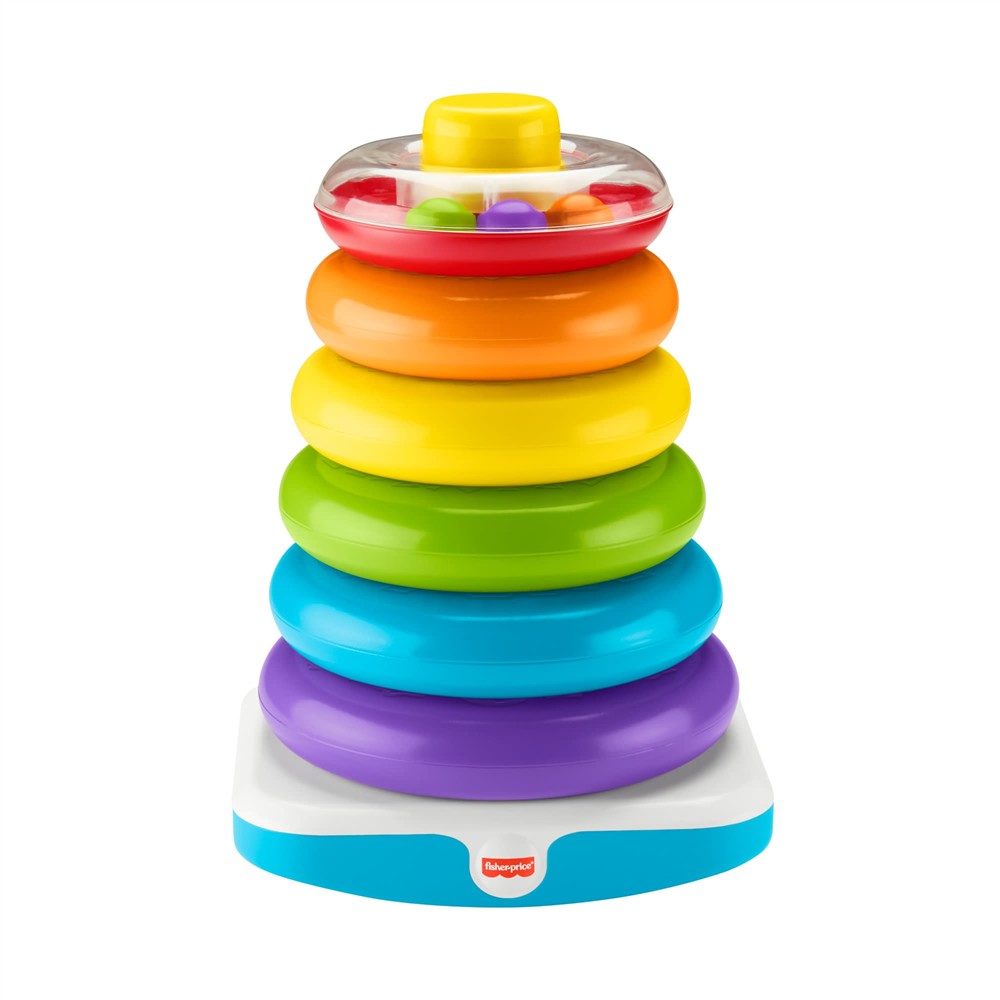
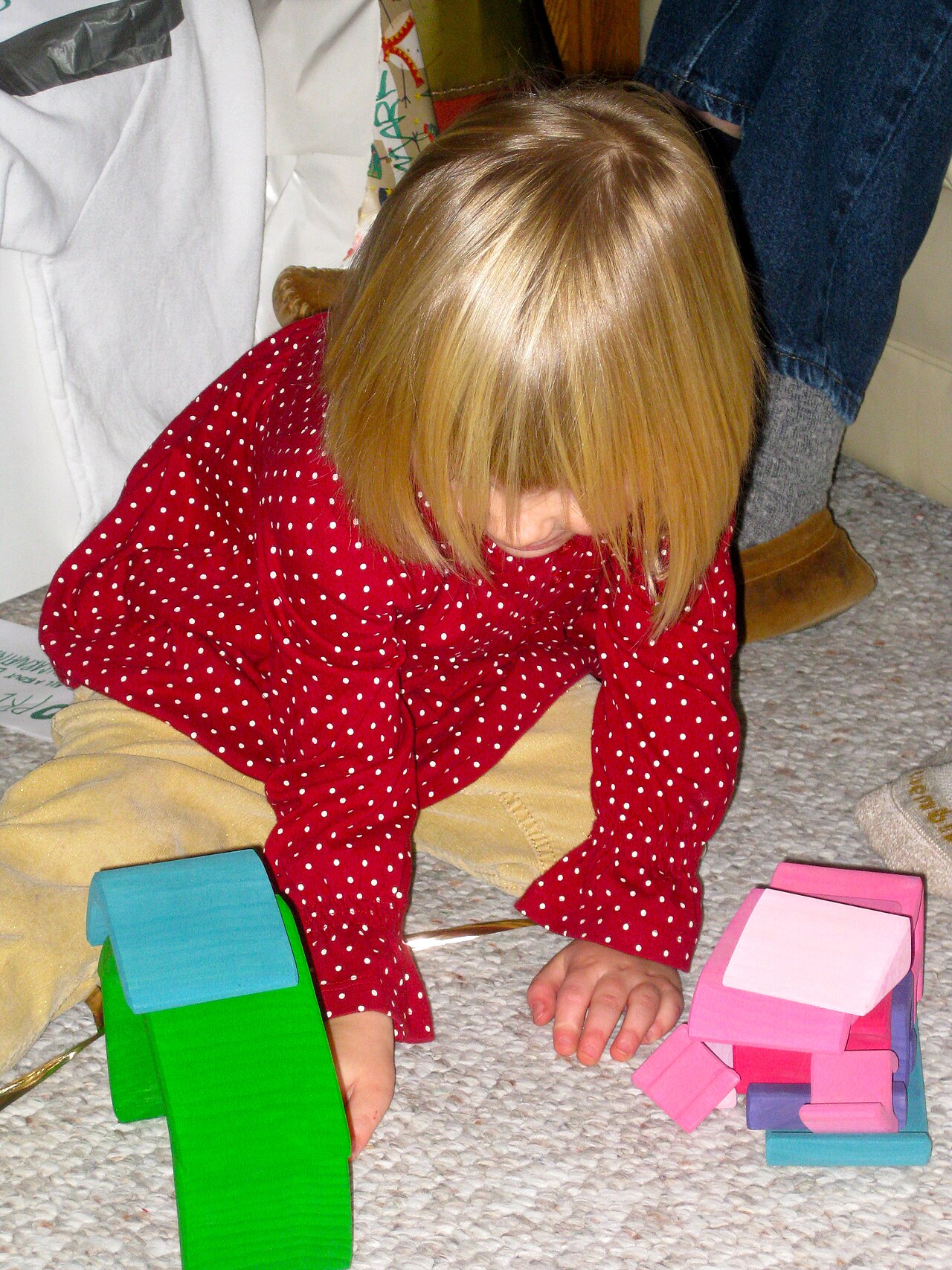
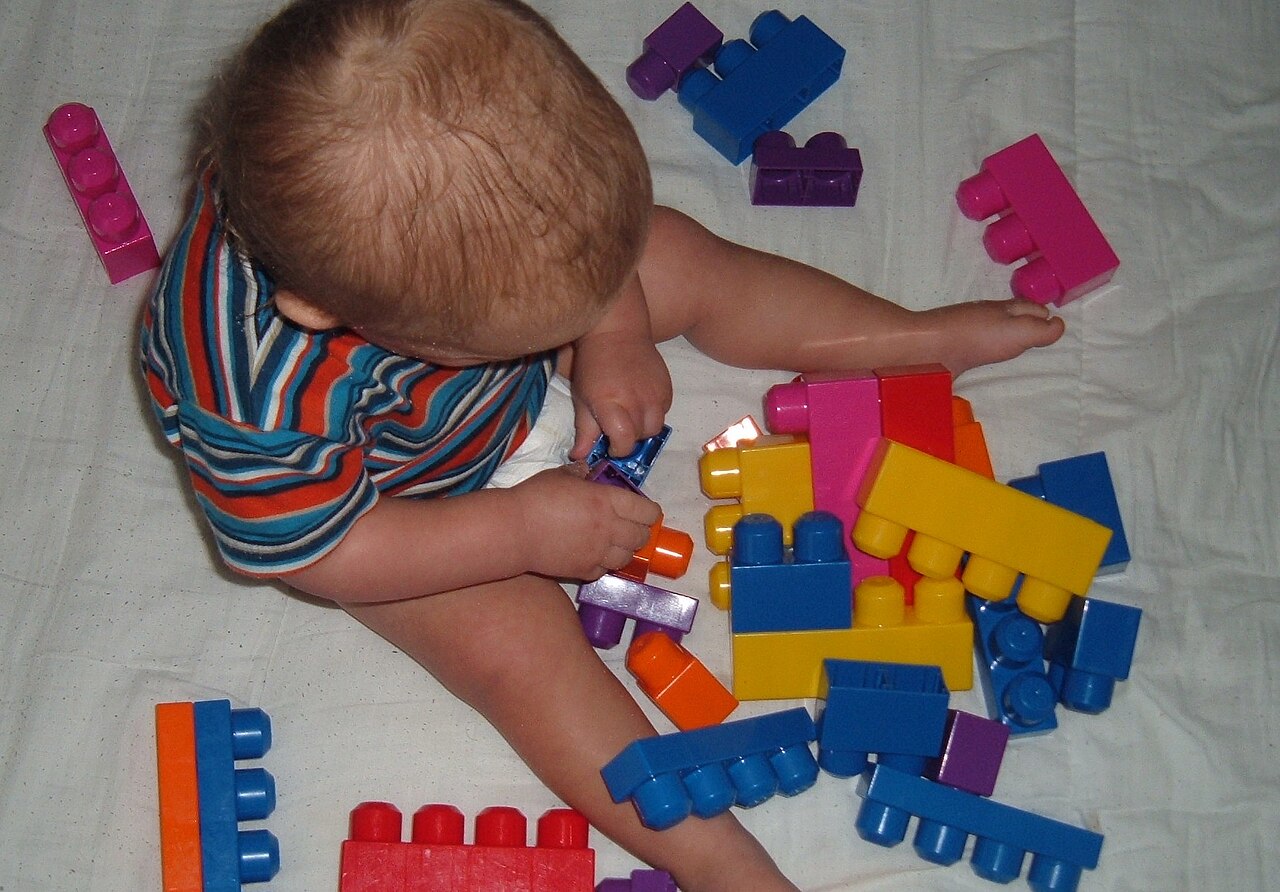
Editorial suggestion: give one concrete job that the child can see—put one ball in the basket, carry one large block to the shelf, or close the book and place it in the pile. Then do the rest together. ‘Clean up’ can be too broad, especially when a toddler is tired or the floor is full. A clear, small action keeps cleanup from becoming a demand to organize an adult-sized mess.
A cleanup song, a repeated clap, or a simple phrase can be the cue if it remains optional and pleasant. Head Start specifically notes that an upbeat song can make cleanup time more inviting. The song is a transition signal, not a trick to guarantee compliance. If the child is upset, lower the demand, help them regulate, and complete the job yourself when necessary.
Sources: Supporting Transitions Both Big and Small · Milestones by 18 Months
Save the story when possible
A tower, train line, or animal scene may feel unfinished to a child. When the space allows, take a quick photo for your own reference, leave one small section standing out of reach, or say, ‘We can build again tomorrow.’ Do not promise that the exact setup will survive if it cannot. Honest, brief language is kinder than a promise the household cannot keep.
Cleanup is also a safety habit. Store play materials so younger siblings cannot reach parts that are not appropriate for them, and inspect toys as they go back into the bin. CPSC advises attention to labels, broken toys, and small parts. The adult remains responsible for the safety check; a toddler’s one-item contribution is participation, not responsibility for the room.
If cleanup repeatedly becomes the hardest part of the day, reduce the number of materials available at once. That changes the environment rather than asking a young child to manage more than is realistic. A smaller reset can leave more energy for the next routine. Put only the most-used materials within the child’s reach; the adult can manage the rest out of sight. A predictable place for each item also makes it easier for the child to see where one object belongs.
Sources: Toy Safety · Supporting Transitions Both Big and Small
Sources & limits
Practical setups are editorial suggestions. Research findings apply to the populations and conditions studied; they are not product tests by Toy Almanac.
- Supporting Transitions Both Big and Small ↗
Head Start family guidance on routines, transition warnings, visuals, songs, and comfort objects for infants and toddlers.
Checked 2026-09-19 - Milestones by 18 Months ↗
CDC page includes parent activities such as rolling balls, simple toy play, and putting blocks in and out of containers; it is not a toy prescription.
Source date: 2026-05-15 · Checked 2026-09-19 - Toy Safety ↗
Current CPSC consumer guidance on age labels, small parts, inspection, and common toy hazards.
Checked 2026-09-19