Make play easier to enter and easier to leave, follow the child’s signals, and avoid treating sensory preferences as a problem to fix.
Access is the starting point
Accessible play begins by noticing what makes a material easier or harder to reach, hold, see, hear, understand, or leave. A toy can be raised on a tray, placed on a non-slip surface, simplified to one or two pieces, offered with a larger handle, or paired with a familiar routine. These adaptations are practical ways to widen participation; they do not require a diagnosis or a special product.
Ask a simple question: what is the child already trying to do? A child may want to bang, line up, carry, watch, mouth, squeeze, listen, hide, or repeat. Meet that action with a safer, more reachable version. The goal is not to make every child play the same way.
Sources: Selecting Appropriate Toys for Young Children in the Digital Era · Teaching Object Play to Young Children With Disabilities: A Systematic Review of Methods and Rigor
Follow sensory preferences with care
Some children seek movement, pressure, sound, texture, or visual patterns; others avoid particular sensations. Offer a choice and watch the response. A quiet corner, softer materials, a predictable song, a heavier but safe object to push, or a chance to play without bright lights may make participation easier. Stop, reduce, or change the activity when a child shows distress.
Sensory materials are not automatically treatment tools, and this guide does not claim they treat autism, ADHD, anxiety, or any condition. For individual therapeutic goals or safety questions, seek advice from the child’s qualified care team.
Build in multiple ways to join
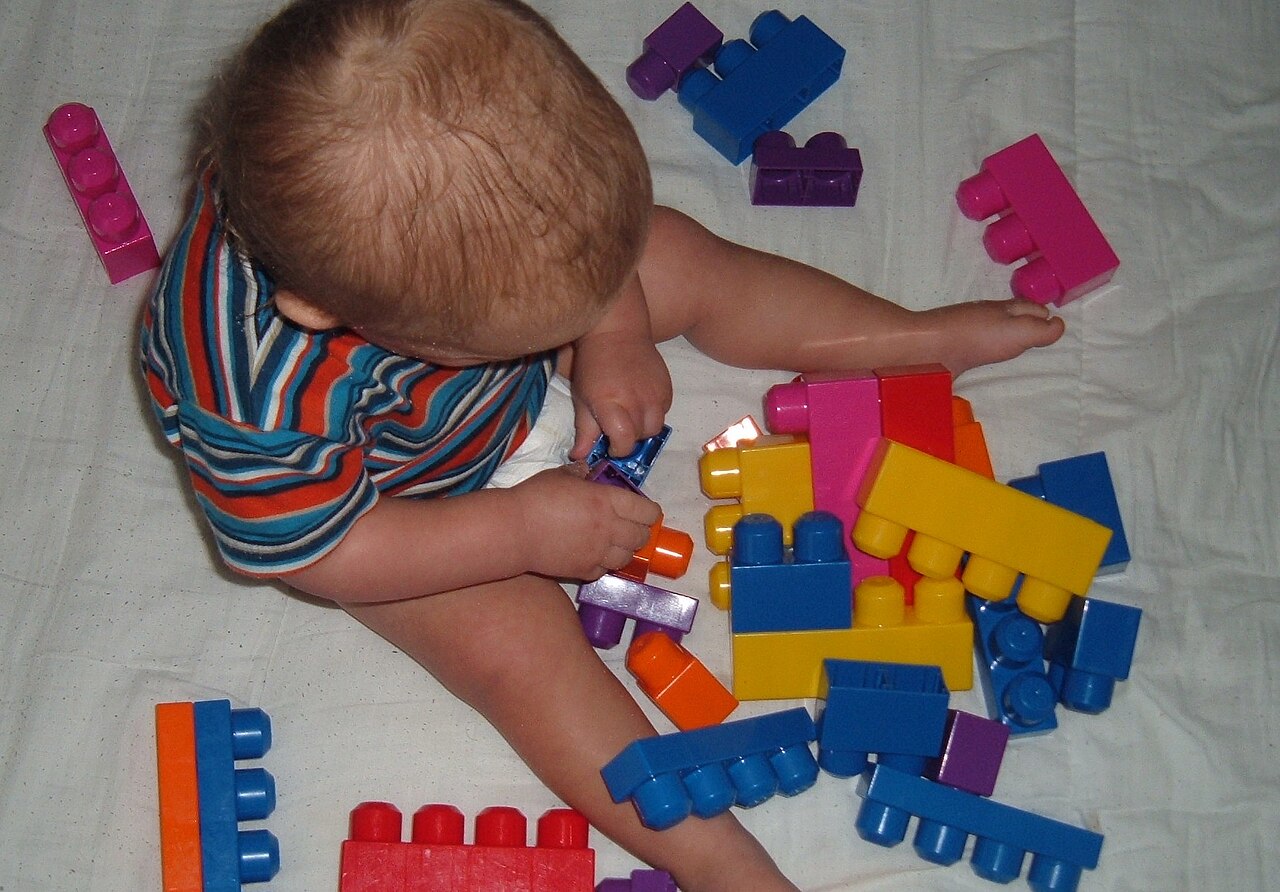
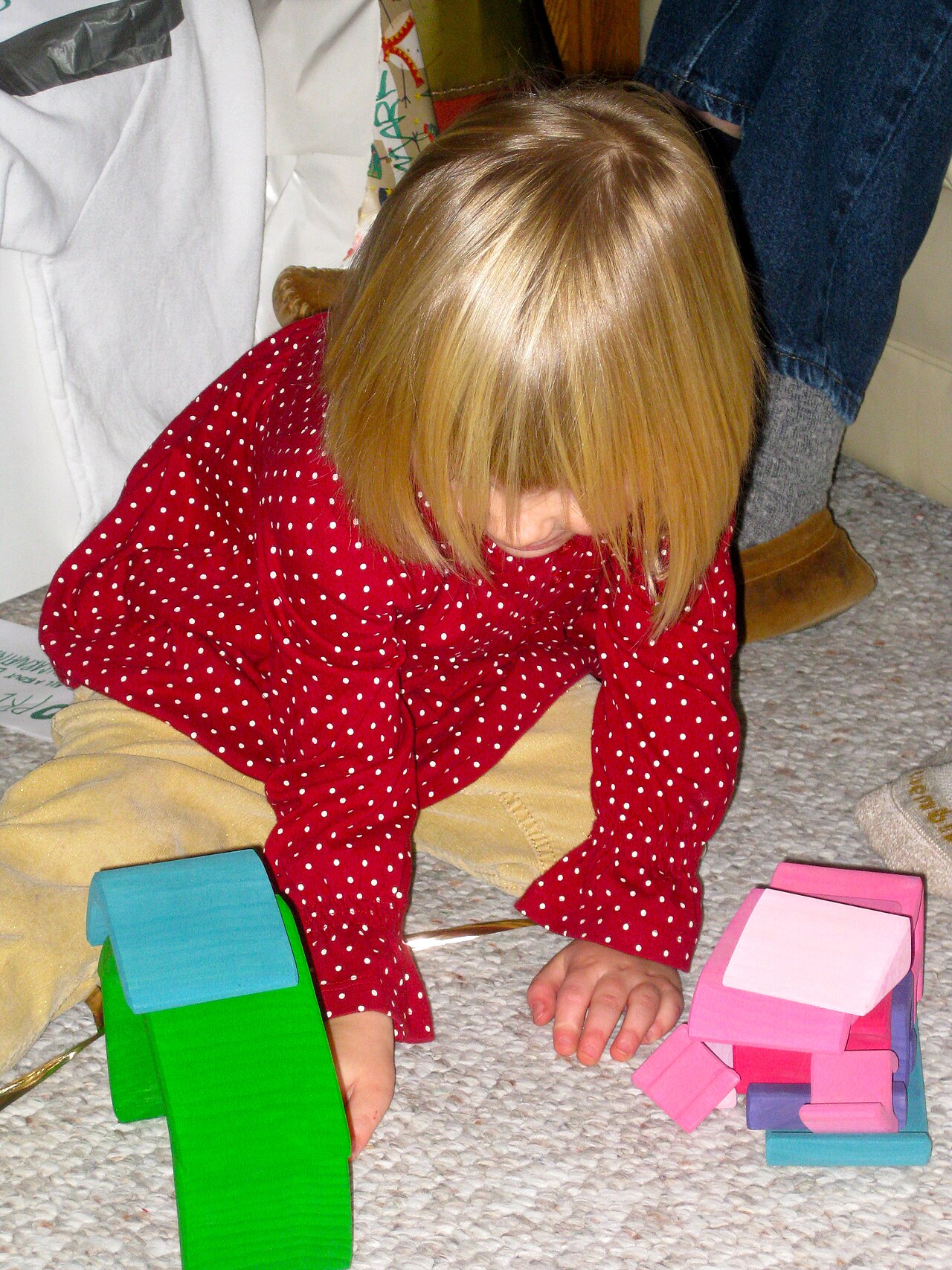
A ball can be rolled, pushed down a ramp, placed in a basket, or watched while another person rolls it. Blocks can be held, knocked over, placed one at a time, or used as story props. A book can be listened to, touched, looked through, or connected to an object. Offering several routes prevents a narrow definition of success.
Keep communication open in the child’s preferred forms. A look, reach, movement, sign, device, sound, or word can all guide the next turn. Adults can model a simple action, wait, and respond to the child’s signal. This is responsive play, not a demand for eye contact, speech, or compliance.
Sources: Selecting Appropriate Toys for Young Children in the Digital Era
Safety and support still matter
Choose materials by the child’s developmental abilities and safety needs, not chronological age alone. A child who mouths objects, has limited hand strength, or plays with younger siblings may need larger, more secure materials and closer supervision. Inspect adaptive additions so they do not introduce loose parts, cords, sharp edges, or an unstable setup.
The research review of object-play interventions for young children with disabilities found positive outcomes across studies but also limitations in study rigor. That supports humility: adapt, observe, and collaborate with professionals when needed rather than promising that a toy will produce a clinical outcome.
Sources: Teaching Object Play to Young Children With Disabilities: A Systematic Review of Methods and Rigor · CPSC Toy Safety
Sources & limits
Practical setups are editorial suggestions. Research findings apply to the populations and conditions studied; they are not product tests by Toy Almanac.
- Selecting Appropriate Toys for Young Children in the Digital Era ↗
AAP clinical report on play, caregiver interaction, toy selection, and limits of developmental toy claims.
Source date: 2019-01-01 · Checked 2026-09-16 - Teaching Object Play to Young Children With Disabilities: A Systematic Review of Methods and Rigor ↗
Systematic review of 27 single-case object-play intervention studies; methodological limitations constrain conclusions.
Source date: 2020-01 · Checked 2026-09-16 - CPSC Toy Safety ↗
Current U.S. regulator guidance for age labels, hazards, and toy safety.
Checked 2026-09-16