Borrowing can protect a budget and reduce clutter when each item is still inspected, recalled checked, and chosen for real use.
Borrowing changes the question
A toy library, public-library collection, community lending shelf, playgroup swap, or trusted hand-me-down network can turn "Should we buy this?" into "Would this be useful for a few weeks?" That is especially helpful for bulky items, a short-lived interest, or a toy you want to assess before giving it a permanent place at home.
Availability, membership rules, cleaning practices, and age ranges vary widely by location. Contact the specific library or community organization rather than assuming it lends toys or that a particular item will be available. Borrowing is a budget option, not a promise of access in every community.
Sources: Selecting Appropriate Toys for Young Children in the Digital Era
Spend on the conditions for use
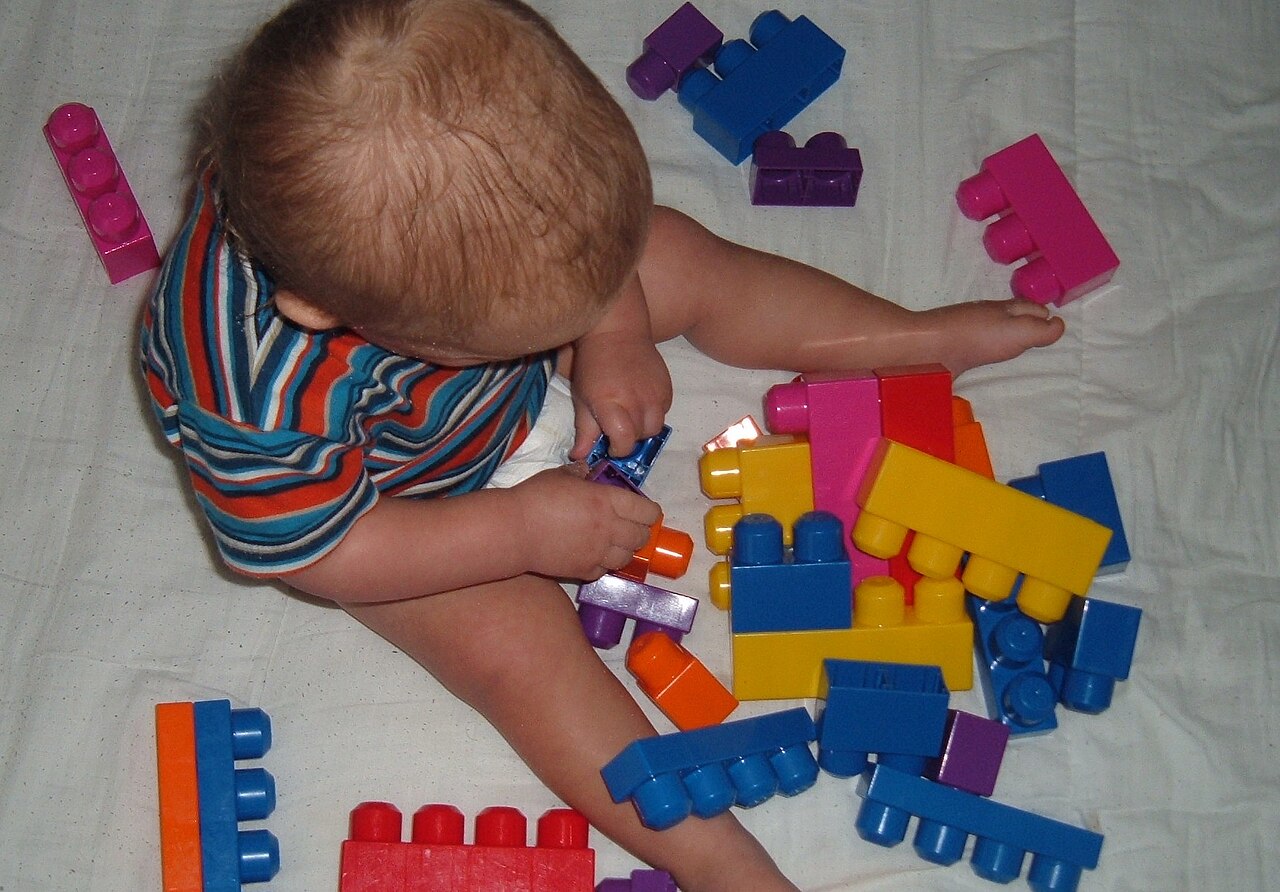
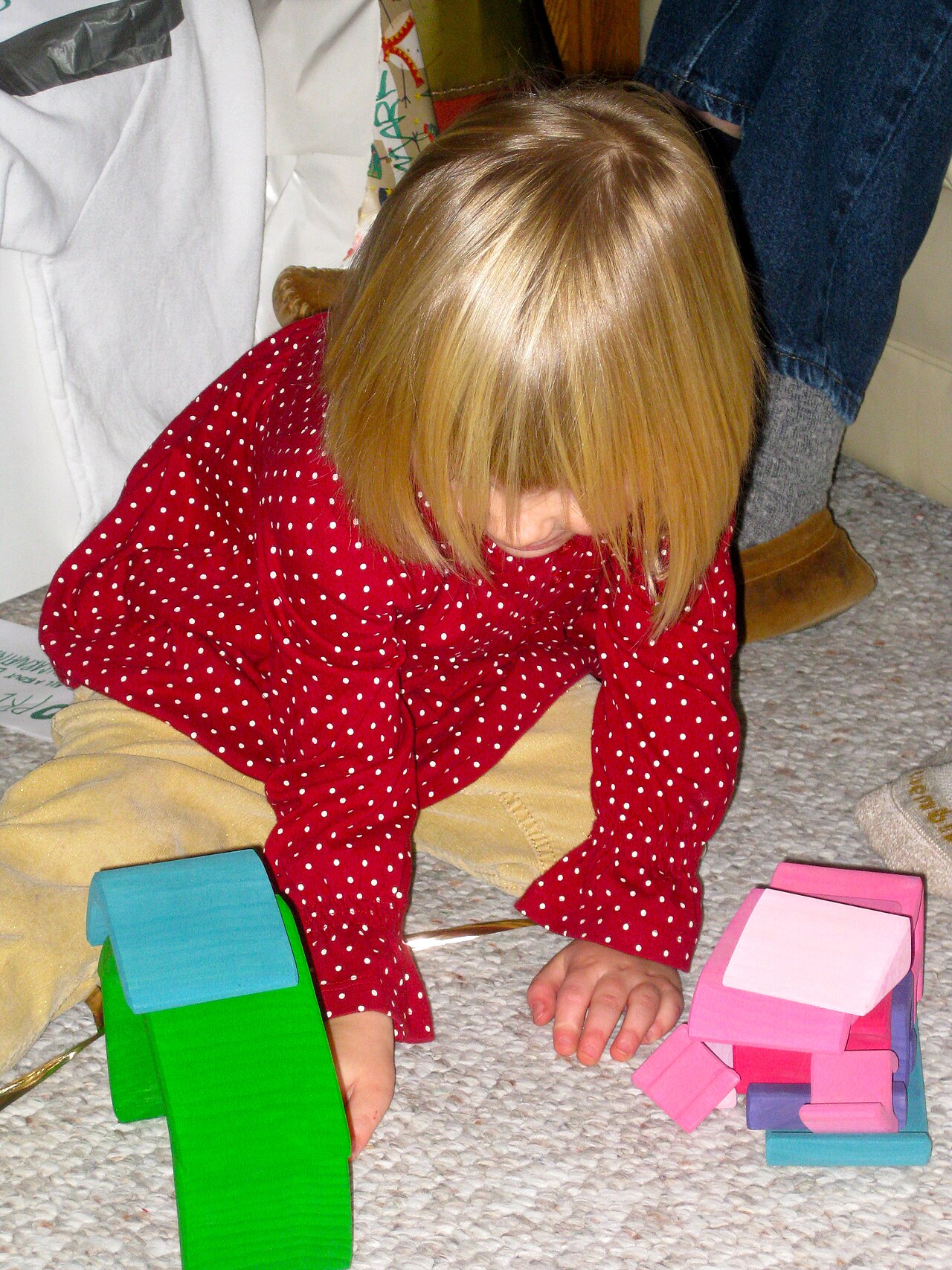
A limited budget can go farther when it prioritizes a few safe, durable materials that match the child’s current play: books, large blocks, balls, simple containers, dolls or animals, art materials, and pretend props. The AAP explicitly notes that a good toy does not need to be trendy or expensive. A child’s actions and relationships make the play, not the receipt total.
Before buying, consider storage, cleaning, replacement parts, noise, batteries, and whether the toy has more than one plausible use. A free box that becomes a bus may be a better fit than a large item that cannot be safely stored or maintained.
Sources: Selecting Appropriate Toys for Young Children in the Digital Era
Borrow and secondhand safely
Whether a toy comes from a library, neighbor, or resale shop, inspect it before use. Look for damage, loose pieces, exposed batteries, magnets, sharp edges, and missing labels. Check the exact identifiable product against current recall information when possible. Do not assume a community source has the same recall workflow or inspection standard as another one.
Ask how soft toys and mouthed items are cleaned, and follow the organization’s instructions for returns. If a toy cannot be cleaned or assessed safely for your child, choosing a different item is a sound budget decision, not wasted effort.
Sources: CPSC Recalls and Product Safety Warnings · CPSC Toy Safety · CPSC Button Cell and Coin Batteries
Make value personal
Value can mean repeated use, a calmer morning, a chance to play together, a material a child can access independently, or simply not having to store something large. It does not have to mean a toy that claims to teach the most. Keep a short note of what your child returns to before buying a similar item.
Toy borrowing is most useful when it removes pressure. Try something, return it when interest changes, and keep only what earns a place in your household. A small, responsive collection is enough; a child does not need a stream of new purchases to have varied play.
Sources: Selecting Appropriate Toys for Young Children in the Digital Era · The Influence of the Number of Toys in the Environment on Toddlers’ Play
Sources & limits
Practical setups are editorial suggestions. Research findings apply to the populations and conditions studied; they are not product tests by Toy Almanac.
- Selecting Appropriate Toys for Young Children in the Digital Era ↗
AAP clinical report on play, caregiver interaction, toy selection, and limits of developmental toy claims.
Source date: 2019-01-01 · Checked 2026-09-16 - CPSC Recalls and Product Safety Warnings ↗
Live U.S. recall and warning database; records and remedies can change.
Checked 2026-09-16 - CPSC Toy Safety ↗
Current U.S. regulator guidance for age labels, hazards, and toy safety.
Checked 2026-09-16 - CPSC Button Cell and Coin Batteries ↗
Current regulator guidance on secured compartments and ingestion risk.
Checked 2026-09-16 - The Influence of the Number of Toys in the Environment on Toddlers’ Play ↗
Controlled study of 36 toddlers, four versus sixteen toys, with short supervised individual play sessions.
Source date: 2018-02 · Checked 2026-09-16